
Starting speech therapy for your child can feel emotional and uncertain for many parents. Understanding what happens during the first session can reduce anxiety and help you prepare your child confidently. The first speech therapy session is usually focused on evaluation, observation, and building comfort, rather than intensive therapy.
1. Warm Welcome and Getting Comfortable
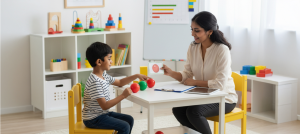
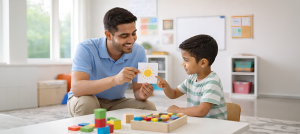
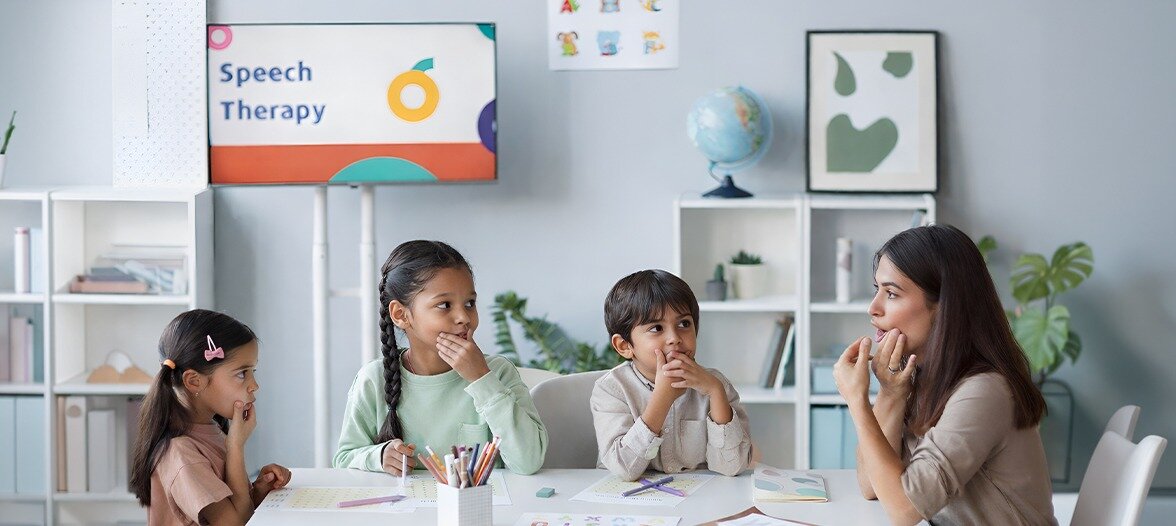
The first session typically begins with a friendly introduction. Speech therapists create a child-friendly environment using toys, games, and colorful therapy rooms to help children feel relaxed and safe. Building trust is important because children communicate better when they feel comfortable.
Most first visits are one-on-one sessions and may last between 30 minutes to 90 minutes, depending on the clinic and assessment needs.
2. Parent Discussion and Case History Collection
Parents play a very important role during the first session. You may be asked to:
- Fill out case history forms
- Share medical and developmental history
- Discuss communication concerns
- Explain your child’s daily communication habits
These details help the speech-language pathologist understand your child’s background and plan the evaluation process.
3. Child Speech and Language Evaluation
During the evaluation, therapists assess multiple areas of communication such as:
- Understanding language (receptive language)
- Speaking and expressing needs (expressive language)
- Social communication and interaction
- Play skills and engagement
- Speech clarity and sound production
- Voice quality and fluency
These assessments help identify strengths, challenges, and therapy needs.
4. Play-Based Observation and Activities
For younger children, evaluation is usually done through play-based activities. Therapists may use:
- Toys and puzzles
- Picture cards
- Bubbles or puppets
- Story books or simple games
Through play, therapists observe how children naturally communicate, follow instructions, and interact socially.
5. Parent Involvement During the Session
In most cases, parents stay in the room during the first session. Your presence helps the child feel safe and also allows you to:
- Share real-life examples of communication challenges
- Learn techniques to support communication at home
- Understand therapy goals
Parent collaboration is a key part of successful speech therapy outcomes.
6. Development of a Personalized Therapy Plan
After evaluation, the therapist will create a customized therapy plan based on:
- Your child’s strengths
- Areas needing support
- Developmental level
- Communication goals
You may receive a report and home practice activities to support progress outside therapy sessions.
7. How to Prepare Before the First Session
You can help your child by bringing:
- Previous medical or therapy reports
- List of words your child uses
- Development milestone notes
- Favorite toy or comfort item
- Snack or drink if needed
Preparation helps the therapist get a complete picture of your child’s communication abilities.
Final Thoughts
Your child’s first speech therapy session is not something to fear — it is a supportive step toward better communication. The session focuses on understanding your child, building comfort, and creating a clear plan for progress.
Early evaluation and intervention can make a significant difference in communication development. With the right support, children can build strong speech and language skills that help them succeed socially and academically.

Namitha
About the Author
Namitha is a Speech-Language Pathologist with over 8 years of experience in assessing and supporting children with speech, language, and communication challenges. She specializes in delivering evidence-based, child-centred interventions tailored to each child’s developmental needs.