






RISE Development Centre

Occupational Therapy Programme

Enabling children to play confidently, learn independently,
and master everyday life skills.

What Is Occupational Therapy?

Occupational therapy (OT) is an evidence-based, child-centered therapy that helps children develop the skills they need to participate fully in the activities that matter most — playing, learning, dressing, eating, and engaging with the world around them.

The word “occupation” in occupational therapy refers not to a job, but to the meaningful activities that define a child’s daily life. When physical, sensory, or developmental challenges make those activities difficult, an occupational therapist steps in to bridge the gap — helping children build the skills, confidence, and strategies they need to thrive at home, in school, and in the community.

At Rise Development Centre, our occupational therapists take a holistic, play-based approach to therapy. We look at the whole child — their strengths, challenges, environment, and goals — and work alongside families to create a path forward that is practical, personalized, and deeply meaningful

Why Occupational Therapy Matters

A child’s ability to button a shirt, hold a pencil, sit through a classroom lesson, or play alongside a peer may seem simple from the outside. But for many children, these everyday tasks require a complex interplay of motor coordination, sensory processing, attention, and self-regulation — skills that don’t always develop naturally or at the expected pace.

When these challenges go unaddressed, they don’t just affect the task at hand. They affect a child’s confidence, their relationships, their experience of school, and their sense of who they are. A child who cannot keep up with classroom activities may begin to believe they are not capable. A child who avoids the playground because sensory overwhelm makes it uncomfortable misses out on the social connections that shape development.

Early, targeted occupational therapy makes an extraordinary difference. It gives children the tools to overcome their specific challenges, develop genuine independence, and approach daily life with confidence rather than frustration. And when families are equipped with strategies to support their child at home, the impact extends far beyond the therapy room.

Who Needs Occupational Therapy?

Children with Motor Skill and Coordination Challenges

Children who struggle with handwriting, using scissors, tying shoelaces, catching a ball, or maintaining balance may have underlying fine or gross motor difficulties that occupational therapy is specifically designed to address.

OT builds the strength, coordination, and motor planning that underpin these essential skills.

Children with Sensory Processing and Sensitivity Issues

Some children are overwhelmed by sounds, textures, lights, or movement in ways that others are not. Others may seek out intense sensory input that seems excessive or disruptive. Sensory processing difficulties can affect attention, behavior, learning, and participation in daily life.

Occupational therapy provides structured sensory experiences that help children regulate their responses and function more comfortably in everyday environments.

Individuals with Developmental Delays and Learning Difficulties

Children with autism spectrum disorder, ADHD, developmental delays, dyspraxia, or other learning difficulties often benefit significantly from occupational therapy.

OT targets the specific skill gaps that make learning and participation challenging — from attention and visual-motor integration to self-regulation and classroom readiness.

Those Seeking Independence in Daily Self-Care Tasks

For some children, the daily routines that peers manage with ease like dressing, eating independently, personal hygiene remain significant challenges.

Occupational therapy teaches adaptive strategies and builds the underlying skills that make self-care achievable, fostering independence, and reducing daily stress for the whole family.

Benefits of Occupational Therapy

Our certified Speech-Language Pathologists provide targeted therapy across a wide range
of communication and feeding challenges.

At Rise Development Centre — Skills, Services &
Therapy We Offer

Fine Motor & Handwriting Skills

We develop hand strength, pencil grip, dexterity, and precision for the fine motor tasks children encounter every day — writing, drawing, cutting, buttoning, and more. Our therapists use targeted, engaging activities to build these skills progressively, supporting children in the classroom and beyond.

Gross Motor Coordination & Strength

We help children build the physical confidence to move, play, and explore. Through activities that target balance, core strength, bilateral coordination, and motor planning, we enable children to participate actively and joyfully in physical play and everyday movement.

Sensory Processing & Integration

Our therapists create individualized sensory programmes that help children process and respond to the world around them more effectively. By gradually and carefully exposing children to sensory experiences in a safe, supportive environment, we reduce overwhelm and build a more regulated, focused, and adaptive nervous system.

Visual-Motor & Cognitive Skills

We strengthen the visual-motor integration and cognitive skills that underpin learning — including eye-hand coordination, spatial awareness, memory, attention, and problem-solving — helping children engage more successfully in academic and everyday tasks.

Self-Care & Independence Skills

We teach adaptive techniques and build the underlying skills for dressing, eating, grooming, and other daily routines. Our goal is for every child to experience the pride and confidence that comes with genuine independence.

Play Skills & Social Participation

Play is a child’s primary occupation. We support children in developing purposeful, age-appropriate play skills — from imaginative play and cooperative games to turn-taking and peer interaction — building the social foundations that matter enormously for development and wellbeing.

School Readiness

We prepare children for the demands of structured learning environments, including sitting and attending, following multi-step instructions, managing tools like pencils and scissors, and regulating sensory and emotional responses in a busy classroom. Our school readiness programmes set children up for a confident start.


Why Choose Rise Development Centre for Pediatric Occupational Therapy?

Comprehensive Evaluation

Every child’s therapy journey at Rise begins with a thorough assessment. Our occupational therapists evaluate motor, sensory, cognitive, and self-care abilities through clinical observations, standardised assessments, and in-depth conversations with your family — ensuring we understand the full picture before a single goal is set.

Individualized Treatment Plans

We never use a one-size-fits-all approach. Each treatment plan at Rise is built specifically around your child’s unique strengths, challenges, learning style, and family priorities — creating a roadmap for progress that is as individual as your child.

Hands-On Therapy Sessions

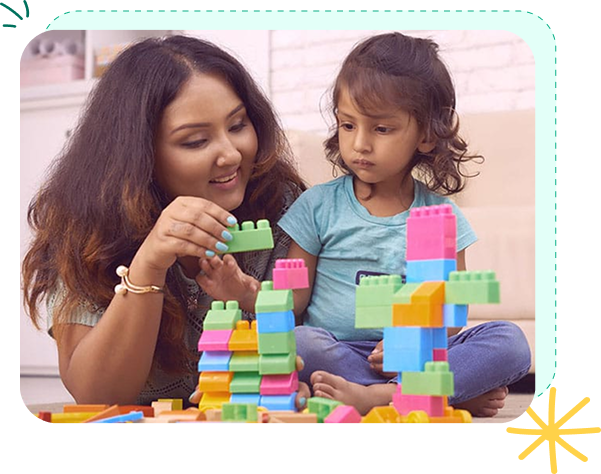
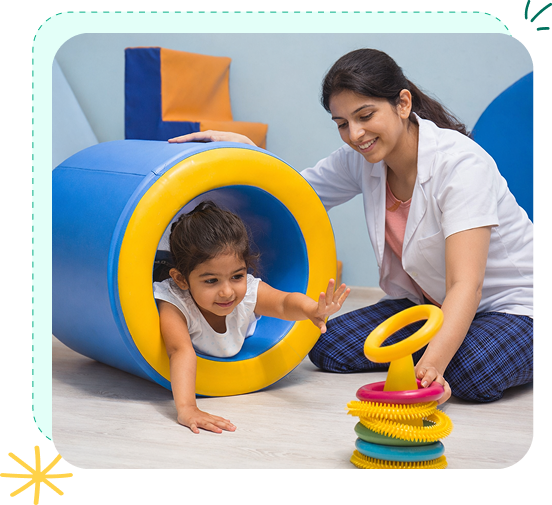
Our therapy sessions are engaging, play-based, and designed to be genuinely enjoyable for children. By embedding skill-building into meaningful, motivating activities, we keep children invested in their progress — making learning feel less like work and more like discovery.

Adaptive Strategies & Tools

Where appropriate, our therapists introduce adaptive devices, tools, and techniques that help children overcome physical or sensory barriers and participate more fully in daily life — from pencil grips and sensory tools to modified self-care strategies that work for your child.

Environmental Recommendations

Therapy doesn’t end at the clinic door. We provide practical, thoughtful recommendations for modifying home and school environments to better support your child’s learning, safety, and comfort — helping the spaces where your child spends their time work with them, not against them.

Family Partnership

At Rise, families are not observers — they are essential partners. We provide parents and caregivers with the training, resources, and ongoing guidance they need to support their child’s development between sessions and carry the progress of therapy into everyday life.

Frequently Asked Questions

What is the right age to start Occupational Therapy for my child?

There is no single right age — OT can benefit children at any stage. That said, earlier is almost always better. The brain is most adaptable in early childhood, so if you have concerns about your child’s development, it is worth consulting a therapist sooner rather than later.

Physiotherapy focuses on rehabilitating injuries and physical movement. Occupational therapy focuses on helping children participate in everyday activities — play, learning, self-care, and social interaction — and also addresses sensory processing, fine motor skills, and cognitive development.

Sessions typically run between 45 and 60 minutes, depending on your child’s age, attention span, and treatment goals.

Yes. Handwriting difficulties are one of the most common reasons children come to OT. Our therapists identify the underlying cause — grip, hand strength, visual-motor integration, or posture — and design targeted interventions to address it.

Most children benefit from two to three sessions per week, especially early in their programme. Our therapists will recommend the right frequency after your child’s initial assessment and adjust it as they progress.

No. OT is much broader than motor skills. It also addresses sensory processing, emotional regulation, attention, cognitive skills, self-care, and social participation — essentially anything that affects your child’s ability to engage fully in daily life.

Our therapists provide a personalised home programme with simple, practical activities that reinforce session work. Regular parent training and progress reviews ensure you always feel informed and confident supporting your child at home.

Yes. By building play skills, sensory regulation, and the ability to participate in group activities, OT creates a strong foundation for social connection and helps children engage more confidently with their peers.