
Introduction
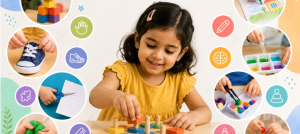
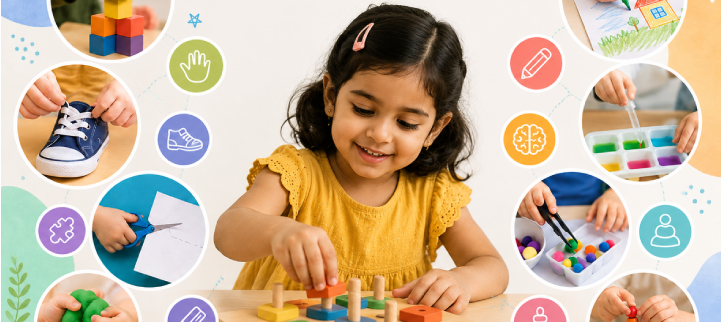
Children learn and grow through play, movement, interaction, and daily experiences. However, some children may face challenges in areas such as motor skills, sensory processing, communication, attention, or self-care routines. Occupational therapy activities help children strengthen these essential skills in a fun, engaging, and structured way.
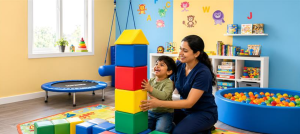
Occupational Therapy Activities are designed to improve a child’s ability to participate independently in everyday tasks at home, school, and social environments. These activities focus on physical, cognitive, sensory, emotional, and social development while making learning enjoyable and meaningful.
From sensory play and motor coordination tasks to self-care practice and social interaction games, occupational therapy supports children in achieving developmental milestones with confidence.
This blog explores the purpose of occupational therapy, its benefits, and 24 engaging occupational therapy activities for children that can support overall growth and development.
What is Occupational Therapy for Children?
Occupational therapy for children is a specialized healthcare service that helps children develop the skills required for daily living, learning, play, and social participation. Pediatric occupational therapists work with children who experience developmental delays, sensory challenges, physical limitations, learning difficulties, or behavioral concerns.
The main goal of occupational therapy is to improve a child’s independence and ability to participate in meaningful activities. These may include:
- Dressing independently
- Writing and drawing
- Eating and feeding skills
- Playing with peers
- Maintaining attention in school
- Managing emotions and sensory responses
Occupational therapy sessions are usually activity-based and tailored to the child’s individual needs. Therapists use playful and engaging techniques to improve learning while keeping children motivated and comfortable.
How Do Occupational Therapists Work?
Occupational therapists begin by assessing the child’s strengths, challenges, developmental level, and daily functioning. Based on the assessment, they create personalized therapy plans to address specific goals.
Therapists use structured activities that focus on areas such as:
- Fine motor skills
- Gross motor coordination
- Sensory integration
- Hand-eye coordination
- Attention and concentration
- Emotional regulation
- Social interaction
- Self-care skills
Therapy may take place in clinics, schools, homes, or community settings. Occupational therapists also guide parents and caregivers on activities that can be practiced at home to reinforce learning and skill development.
The activities are designed to be fun, motivating, and meaningful so that children actively participate while learning essential life skills.
Benefits of Occupational Therapy Activities for Children
Sensory Processing and Regulation
Many children experience difficulties in processing sensory information such as sounds, textures, lights, movement, or touch. Occupational therapy activities help children regulate sensory responses and feel more comfortable in different environments.
Sensory activities improve:
- Calmness and focus
- Emotional regulation
- Body awareness
- Attention span
- Response to sensory input
For example, sensory bins, trampoline jumping, and heavy work activities can help children manage sensory overload while improving self-regulation.
Development of Fine and Gross Motor Skills
Fine motor skills involve small hand movements used for writing, buttoning, and gripping objects. Gross motor skills involve larger body movements such as running, balancing, and jumping.
Occupational therapy activities strengthen:
- Hand muscles
- Finger coordination
- Balance and posture
- Core strength
- Coordination and movement planning
Activities like bead threading, obstacle courses, and animal walks help children improve physical coordination naturally through play.
Improvement in Social Interaction and Communication
Children who struggle with communication or social interaction benefit greatly from structured therapy activities. Occupational therapy encourages children to:
- Take turns
- Follow instructions
- Maintain eye contact
- Understand emotions
- Participate in group activities
Games, role-play activities, and social video clips can improve interaction skills and help children build confidence in social settings.
Increased Independence in Daily Living Tasks
Occupational therapy helps children perform everyday activities more independently. These include:
- Dressing
- Eating
- Grooming
- Organizing school materials
- Following routines
Therapists break tasks into smaller manageable steps and gradually encourage independence.
For example, a child learning to brush their teeth may first learn how to hold the toothbrush properly before practicing the full routine independently.
24 Occupational Therapy Activities for Children
- Clay Squeezing and Shaping
Playing with clay strengthens hand muscles and improves finger coordination. Children can squeeze, roll, flatten, and shape clay into different objects. - Threading Beads or Pasta
Threading activities improve fine motor coordination, visual tracking, and concentration. Large beads or pasta pieces can be used for younger children. - Water Pouring and Transfer
Pouring water between cups helps children develop hand control, bilateral coordination, and focus. - Cutting Along Lines with Safety Scissors
Cutting activities improve hand strength, coordination, and control. Start with straight lines and gradually progress to shapes. - Indoor Obstacle Course
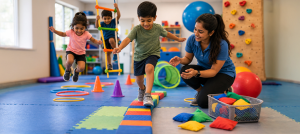
Obstacle courses encourage balance, coordination, body awareness, and motor planning. Children can crawl, jump, balance, and climb safely indoors. - Sensory Bin Exploration
Sensory bins filled with rice, beans, sand, or textured objects help children explore different sensations while improving sensory processing skills. - Visual Schedule Building
Creating visual schedules helps children understand routines, transitions, and task sequences, improving independence and organization. - Heavy Work Activities
Heavy work includes pushing, pulling, carrying, or lifting activities that provide calming sensory input and improve body awareness.Examples include:- Carrying books
- Pushing laundry baskets
- Pulling resistance bands
- Coin Sorting
Sorting coins develops visual discrimination, hand coordination, and attention to detail. - Buttoning and Clothing Fasteners Practice
Practicing buttons, zippers, and snaps improves dressing independence and finger dexterity. - Pegboard Tasks
Placing pegs into pegboards improves hand-eye coordination, finger strength, and precision. - Kitchen Task Grading
Simple kitchen tasks such as stirring, spreading butter, or sorting vegetables help improve coordination and independence. - Vertical Surface Writing
Writing on walls, easels, or vertical boards strengthens shoulder muscles and improves handwriting posture. - Memory Card Matching With a Motor Component
Children match cards while performing movements like jumping or clapping, combining cognitive and motor skills. - Self-Care Routine Practice With Backwards Chaining
Backward chaining teaches tasks step-by-step by allowing the child to complete the final step first before gradually learning the full sequence. - Place Fun Stickers on Paper
Sticker activities improve finger control, visual tracking, and attention. - Straw Race
Blowing objects through straws strengthens oral motor muscles and improves breath control. - Pool Noodles
Pool noodles can be used for balance games, obstacle courses, and sensory activities that improve coordination and movement planning. - Video Clips to Address Social Skills
Watching and discussing short videos helps children understand facial expressions, emotions, and social interactions. - Card Games
Card games improve attention, memory, turn-taking, and problem-solving skills. - Play Catch
Catching and throwing activities improve coordination, reaction time, and social interaction. - Tearing Up Paper to Make Confetti
Tearing paper strengthens finger muscles and improves bilateral hand coordination. - Bouncing on a Small Trampoline
Trampoline activities provide vestibular input, improve balance, and help regulate energy levels. - Animal Movements
Children imitate animal walks such as bear crawls, frog jumps, or crab walks to strengthen muscles and improve coordination.
Right Time to Consult a Professional Occupational Therapist
Parents should consider consulting an occupational therapist if a child shows persistent difficulties in:
- Holding pencils or scissors
- Following instructions
- Maintaining attention
- Managing sensory sensitivities
- Dressing or feeding independently
- Social interaction
- Coordination and balance
- Handwriting skills
- Emotional regulation
Early intervention plays a significant role in helping children overcome developmental challenges and build confidence. Seeking support early can improve a child’s ability to participate successfully in school, home, and social activities.
Conclusion
Occupational Therapy Activities provide children with valuable opportunities to develop physical, sensory, cognitive, emotional, and social skills through meaningful play and daily experiences.
These activities are not only therapeutic but also enjoyable and engaging, making learning natural for children. Whether it is improving attention, strengthening fine motor skills, developing social interaction, or encouraging independence, occupational therapy helps children reach their fullest potential.
Every child develops differently, and with the right support, patience, and guidance, children can gain the confidence and skills needed to succeed in everyday life. Occupational therapy continues to play an important role in empowering children to grow, learn, and participate more independently in the world around them.

Dr. Priyadarshini C
About the Author
Dr. Priyadarshini C is an Occupational Therapist with clinical experience in pediatric occupational therapy and sensory integration. She works with children to support developmental skills, sensory regulation, and functional independence through evidence-based therapeutic approaches.